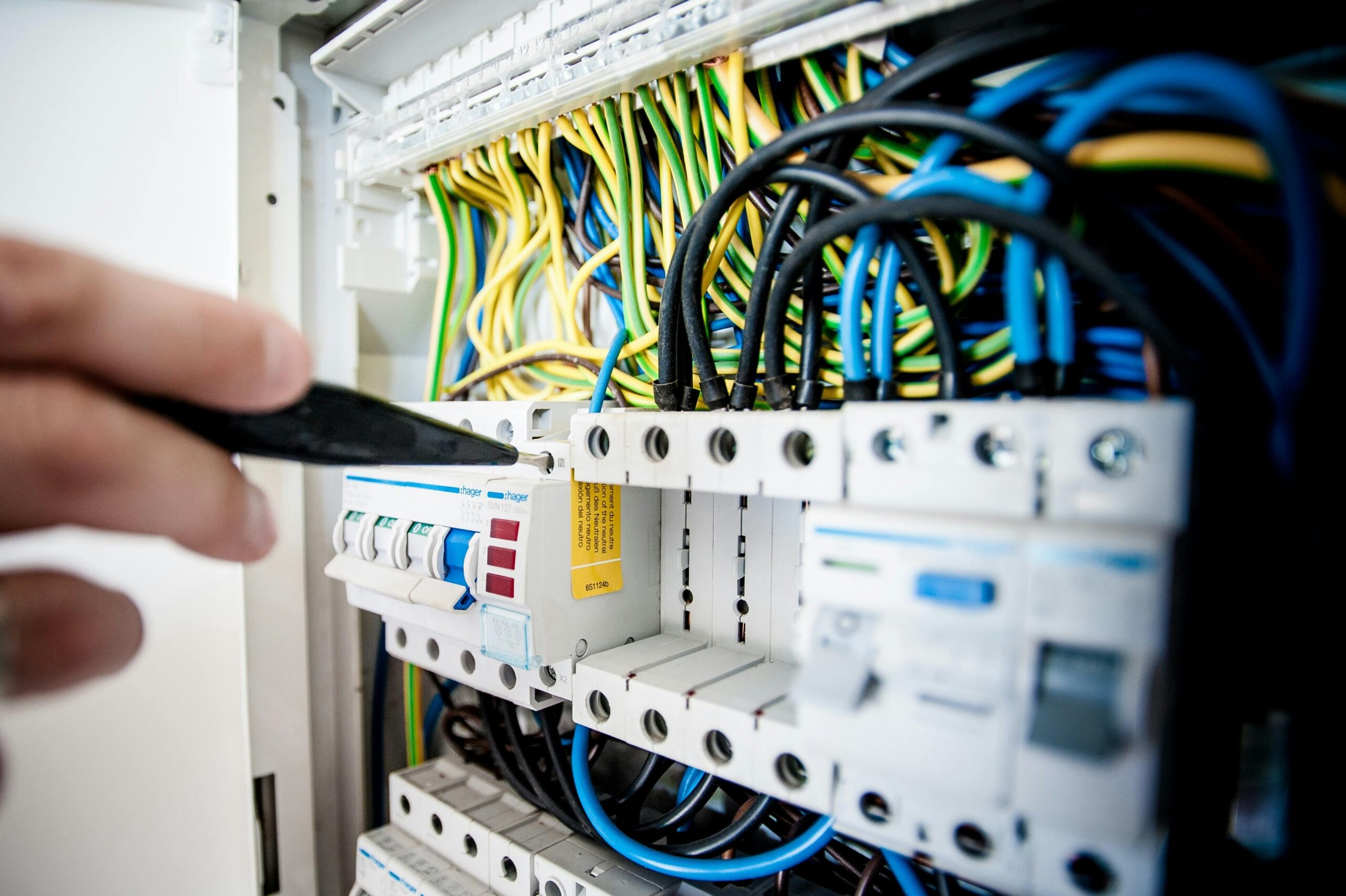
Side-channel attacks exploit physical implementation characteristics of cryptographic systems, threatening even mathematically secure algorithms through observable phenomena like power consumption and electromagnetic emissions.

🔐 Understanding the Hidden Vulnerability Landscape
Modern cryptographic systems face threats that extend far beyond mathematical weaknesses. While encryption algorithms may be theoretically unbreakable, their physical implementations often leak sensitive information through unintended channels. These side-channel vulnerabilities represent one of the most significant challenges in contemporary security engineering, affecting everything from smart cards to cloud computing infrastructure.
The fundamental problem lies in the gap between theoretical security and practical implementation. When cryptographic operations execute on real hardware, they produce measurable physical effects. Power consumption fluctuates, electromagnetic radiation emanates from circuits, and execution times vary based on processed data. Attackers can analyze these physical manifestations to extract secret keys without breaking the underlying cryptographic mathematics.
Organizations investing millions in sophisticated encryption systems often overlook these implementation-level vulnerabilities. A mathematically perfect algorithm becomes worthless when its execution inadvertently broadcasts the very secrets it aims to protect. Understanding side-channel leakage mechanisms represents the first critical step toward building genuinely secure systems.
The Anatomy of Side-Channel Information Leakage
Side-channel attacks exploit the physical properties of computing devices during cryptographic operations. Unlike traditional cryptanalysis that attacks mathematical algorithm structures, these techniques target implementation characteristics. The most common side channels include power analysis, electromagnetic analysis, timing analysis, and acoustic cryptanalysis.
Power analysis attacks measure the electrical current consumed by devices during computation. Different operations consume different amounts of power, and these variations correlate with processed data. Simple Power Analysis (SPA) observes power traces directly, while Differential Power Analysis (DPA) uses statistical methods to extract secrets from multiple measurements.
Electromagnetic emissions provide another rich information source. Computing devices generate electromagnetic fields that fluctuate during operations. These emissions can be captured remotely using specialized equipment, making electromagnetic analysis particularly concerning for high-security applications. The information bandwidth available through electromagnetic channels often exceeds that of power consumption channels.
⏱️ Timing Channels and Temporal Vulnerabilities
Timing attacks exploit variations in execution duration. When cryptographic operations take different amounts of time depending on secret key values or input data, attackers can measure these differences to reconstruct confidential information. Cache timing attacks represent a particularly sophisticated subset, exploiting microarchitectural features of modern processors.
Modern CPUs employ complex caching mechanisms to improve performance. These caches introduce timing variations based on whether data resides in fast cache memory or slower main memory. By carefully measuring operation timing, attackers can infer which memory addresses were accessed, potentially revealing cryptographic keys or other sensitive data.
Network timing attacks demonstrate that physical proximity isn’t always necessary. Remote attackers can sometimes measure response times across networks, exploiting timing differences in authentication systems or encryption operations. While typically requiring more measurements than local attacks, remote timing exploitation poses serious threats to internet-facing services.
Fundamental Principles of Side-Channel Resistance
Defending against side-channel attacks requires implementing multiple complementary strategies. No single technique provides complete protection, but layered defenses significantly raise the difficulty and cost of successful attacks. The core principles include constant-time execution, noise injection, physical isolation, and algorithmic countermeasures.
Constant-time implementations ensure that execution duration remains independent of secret data. This requires careful programming to avoid conditional branches, table lookups, and other operations whose timing depends on input values. Achieving truly constant-time code proves challenging on modern hardware with sophisticated optimization features like branch prediction and speculative execution.
Masking techniques protect against power and electromagnetic analysis by randomizing intermediate computation values. Boolean masking and arithmetic masking transform secret data by combining it with random values, ensuring that individual power measurements don’t directly correlate with confidential information. Proper masking implementation requires sophisticated understanding of both cryptographic algorithms and hardware characteristics.
🛡️ Architectural and Hardware-Based Protections
Hardware-level countermeasures provide another defense layer. Specialized cryptographic processors incorporate features specifically designed to resist side-channel attacks. These include random clock generation to complicate timing analysis, power consumption smoothing circuits, and electromagnetic shielding.
Secure execution environments isolate cryptographic operations from potentially compromised system components. Technologies like ARM TrustZone, Intel SGX, and dedicated Hardware Security Modules (HSMs) create protected enclaves where sensitive computations can execute with reduced side-channel exposure. These environments combine hardware isolation with software security measures.
Physical barriers and environmental controls complement electronic countermeasures. Faraday cages block electromagnetic emissions, while power filtering reduces observable power consumption variations. For highest-security applications, these physical protections prove essential despite their cost and operational complexity.
Implementation Strategies for Developers
Software developers play a crucial role in side-channel resistance. Writing secure code requires understanding how high-level programming constructs translate to vulnerable hardware operations. Several practical strategies help minimize side-channel leakage in software implementations.
First, avoid secret-dependent memory access patterns. Array indexing and pointer dereferencing with secret-dependent addresses create cache timing vulnerabilities. Instead, access memory uniformly or use constant-index approaches. For lookup tables, consider transforming algorithms to eliminate tables entirely or load entire tables into cache before use.
Second, eliminate secret-dependent conditional branches. Standard if-statements and switch constructs whose outcomes depend on confidential data produce timing variations and power consumption differences. Replace these with arithmetic operations or lookup tables that execute identically regardless of secret values.
💻 Cryptographic Library Selection and Configuration
Choosing appropriate cryptographic libraries significantly impacts side-channel resistance. Leading libraries like libsodium, OpenSSL with appropriate flags, and specialized implementations like BearSSL prioritize side-channel protection. These libraries implement sophisticated countermeasures that individual developers would struggle to replicate.
Library configuration matters as much as selection. Many cryptographic libraries offer both performance-optimized and security-hardened modes. Production systems handling sensitive data should prioritize security configurations, accepting performance penalties in exchange for side-channel resistance. Regular updates ensure access to latest countermeasures as attack techniques evolve.
Testing and validation verify that implementations actually provide intended protections. Specialized tools like the Test Vector Leakage Assessment (TVLA) methodology help identify side-channel vulnerabilities. Organizations should incorporate side-channel testing into development workflows, treating it as essential as functional testing.
Advanced Countermeasure Techniques
Beyond basic protections, advanced techniques provide additional security layers. These sophisticated approaches require deeper expertise but offer enhanced resistance against determined attackers with substantial resources.
Hiding techniques reduce signal amplitude in side-channel measurements. By minimizing the correlation between observable physical phenomena and secret data, hiding makes extraction more difficult. Approaches include power balancing circuits that maintain constant power consumption, and instruction shuffling that randomizes operation ordering.
Blinding introduces randomization into cryptographic computations. For asymmetric operations like RSA, random values can be incorporated into calculations in ways that don’t affect final results but prevent attackers from directly observing secret key usage. Each operation uses fresh randomness, making repeated measurements less useful for statistical attacks.
🎯 Protocol-Level Protections
Security protocols can incorporate side-channel awareness into their designs. Key refresh mechanisms limit the value of extracted secrets by frequently changing cryptographic keys. Even if attackers extract a key through painstaking side-channel analysis, its utility remains limited if it changes before exploitation.
Multi-party computation distributes secrets across multiple systems, ensuring no single device processes complete confidential information. While primarily designed for trust distribution, this approach also complicates side-channel attacks by requiring compromise of multiple independent systems. Threshold cryptography applies similar principles, splitting keys across multiple secure elements.
Authentication protocols can employ countermeasures specifically targeting side-channel threats. Challenge-response systems with randomized components prevent replay attacks while complicating timing analysis. Zero-knowledge proofs enable authentication without transmitting sensitive data, reducing side-channel exposure opportunities.
Organizational Security Posture and Best Practices
Technical countermeasures alone prove insufficient without proper organizational security practices. Comprehensive side-channel defense requires policies, procedures, and security culture that prioritizes implementation security alongside algorithmic strength.
Security assessment programs should explicitly include side-channel evaluation. Penetration testing and security audits traditionally focus on network vulnerabilities and software bugs, often overlooking physical implementation characteristics. Organizations should engage specialists capable of performing sophisticated side-channel assessments using professional-grade equipment.
Development standards must encode side-channel awareness into coding practices. Secure development guidelines should specify constant-time implementation requirements, approved cryptographic libraries, and prohibited programming patterns. Code review processes should verify adherence to these standards, with reviewers trained to identify side-channel vulnerabilities.
📊 Risk Assessment and Threat Modeling
Not all systems face equal side-channel risks. Effective security investment requires understanding threat models specific to each deployment. Consumer applications face different risks than payment terminals, which differ from military communications systems. Tailoring countermeasures to realistic threat scenarios optimizes security spending.
Risk assessment should consider attacker capabilities, access opportunities, and value of protected assets. Local attacks require physical proximity but enable sophisticated measurements. Remote attacks face measurement challenges but scale more easily. High-value targets justify substantial attacker investment, demanding correspondingly robust protections.
Compliance requirements increasingly address side-channel concerns. Payment card industry standards, cryptographic module validation programs like FIPS 140-3, and emerging IoT security regulations mandate side-channel protections. Organizations should track evolving compliance landscapes to ensure implementations meet current and anticipated requirements.
Emerging Threats and Future Directions
Side-channel attack sophistication continues advancing. Machine learning techniques enhance attacker capabilities, while new computing paradigms introduce novel leakage channels. Defending against tomorrow’s threats requires understanding emerging attack vectors and developing proactive countermeasures.
Deep learning models can extract secrets from side-channel measurements that resist traditional analysis techniques. Neural networks identify subtle patterns in power traces or electromagnetic emissions that statistical methods miss. These AI-enhanced attacks succeed with fewer measurements and against some conventional countermeasures.
Cloud computing introduces unique side-channel challenges. Virtualized environments share physical hardware among multiple tenants, creating opportunities for cross-VM side-channel attacks. Cache timing attacks can breach isolation boundaries between virtual machines, potentially exposing secrets across security domains. Cloud providers and customers share responsibility for mitigating these risks.
🚀 Quantum Computing and Post-Quantum Considerations
Quantum computers threaten current cryptographic algorithms, but quantum-resistant alternatives face their own side-channel vulnerabilities. Lattice-based, code-based, and other post-quantum cryptographic schemes require careful implementation to resist side-channel attacks. The cryptographic community must avoid repeating past mistakes by ensuring new algorithms include implementation security from the beginning.
Hardware innovations offer promising countermeasure opportunities. Emerging technologies like physically unclonable functions (PUFs) and true random number generators (TRNGs) integrated directly into chips provide enhanced security primitives. Neuromorphic computing and other alternative architectures may exhibit different side-channel characteristics than traditional von Neumann systems.
Standardization efforts increasingly emphasize implementation security. Cryptographic standards organizations now consider side-channel resistance during algorithm selection. This shift acknowledges that theoretical security means little without practical implementation safety, marking important progress toward holistic security evaluation.

Building a Resilient Security Foundation
Achieving meaningful side-channel resistance requires sustained commitment across organizational levels. Technical expertise, appropriate tools, rigorous processes, and security-conscious culture must combine to create genuinely secure systems. While challenging, this investment proves essential for protecting sensitive data in an increasingly hostile threat landscape.
Education forms the foundation of effective defense. Engineers, architects, and security professionals need training in side-channel attack mechanisms and countermeasures. Academic programs should integrate implementation security into curricula, while professional development should include practical side-channel analysis and defense workshops.
Continuous improvement processes ensure defenses evolve with threats. Regular security assessments identify vulnerabilities, while threat intelligence tracking reveals emerging attack techniques. Organizations should establish feedback loops connecting vulnerability discovery, countermeasure development, and deployment verification to maintain effective protections over time.
Collaboration and information sharing strengthen collective security. Industry partnerships, academic cooperation, and open-source development accelerate countermeasure innovation. Sharing attack methodologies and defense techniques benefits the broader security community, raising baseline security levels across all sectors.
Side-channel defense represents an ongoing journey rather than a destination. As computing technology advances and attacker capabilities grow, new vulnerabilities will emerge requiring novel countermeasures. Organizations that embrace this reality, building adaptive security programs capable of continuous evolution, position themselves to maintain effective protections despite an ever-changing threat landscape. The secrets protected today depend on the vigilance and expertise applied to implementation security, making side-channel resistance not merely a technical challenge but a fundamental pillar of comprehensive cybersecurity strategy.