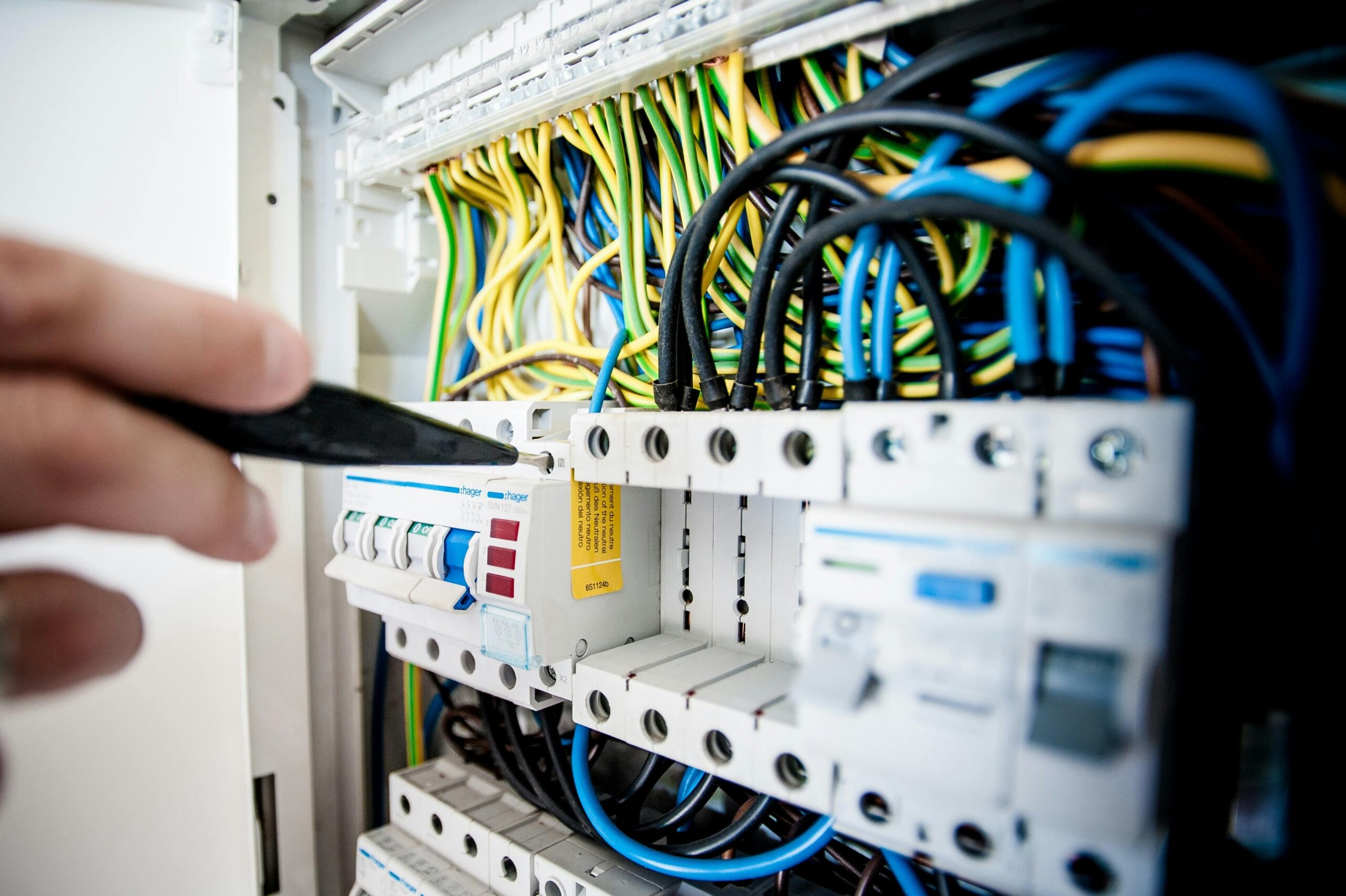
In today’s interconnected digital landscape, side-channel attacks represent one of the most sophisticated and underestimated threats to cybersecurity, demanding immediate attention and strategic defense mechanisms.

🔐 Understanding the Hidden Threat: What Are Side-Channel Attacks?
Side-channel attacks exploit the physical implementation of cryptographic systems rather than targeting algorithmic weaknesses. Unlike traditional cyberattacks that focus on breaking encryption through brute force or exploiting software vulnerabilities, these attacks analyze information leaked during the operation of hardware and software systems.
The fundamental principle behind side-channel attacks lies in extracting sensitive information through unintended data leakage. This leakage occurs through various physical manifestations including timing variations, power consumption patterns, electromagnetic emissions, acoustic signals, and even heat dissipation from processing units.
Attackers capitalize on these seemingly insignificant physical characteristics to reconstruct sensitive information such as cryptographic keys, passwords, and confidential data. The sophistication of these attacks makes them particularly dangerous because they bypass traditional security measures that focus exclusively on logical vulnerabilities.
⚡ The Spectrum of Side-Channel Attack Vectors
Understanding the diverse range of side-channel attack methodologies is essential for building comprehensive defense strategies. Each attack vector exploits different physical properties and requires specialized countermeasures.
Timing Attacks: When Speed Betrays Security
Timing attacks analyze the duration required to execute cryptographic operations. Variations in execution time can reveal information about the secret keys being processed. For instance, if a comparison function terminates early when detecting a mismatch, attackers can measure these timing differences to gradually reconstruct authentication credentials character by character.
These attacks have proven effective against numerous implementations of cryptographic algorithms, including RSA, AES, and various authentication protocols. The vulnerability stems from conditional operations that execute differently based on secret data values.
Power Analysis: Reading the Energy Signature
Power analysis attacks monitor the electrical power consumption of devices during cryptographic operations. Simple Power Analysis (SPA) examines direct power consumption patterns, while Differential Power Analysis (DPA) employs statistical methods to extract keys from multiple power traces.
Modern smart cards, mobile devices, and embedded systems are particularly vulnerable to power analysis because their compact design makes power consumption measurements relatively straightforward for attackers with physical access.
Electromagnetic Emanations: Invisible Information Leaks
Electronic devices emit electromagnetic radiation during operation, and these emissions can be intercepted and analyzed to extract sensitive information. Electromagnetic analysis attacks can be conducted from a distance, making them particularly concerning for high-security environments.
The electromagnetic spectrum generated by processors, memory modules, and communication interfaces can reveal patterns corresponding to cryptographic operations and data processing activities.
Acoustic Cryptanalysis: When Computers Speak Secrets
Recent research has demonstrated that acoustic emissions from computing devices can leak sensitive information. The sounds produced by keyboards, processors, and even hard drives can be analyzed to reconstruct keystrokes, decrypt data, or identify specific operations being performed.
🛡️ Building Resilient Defense Mechanisms
Protecting against side-channel attacks requires a multi-layered approach that addresses both hardware and software vulnerabilities. Organizations must implement comprehensive strategies that account for the diverse nature of these threats.
Constant-Time Programming Principles
Implementing algorithms with constant execution time eliminates timing-based information leakage. This approach ensures that the duration of cryptographic operations remains independent of secret data values, effectively neutralizing timing attacks.
Developers must carefully audit code to identify and eliminate conditional branches, data-dependent memory accesses, and variable-time operations within security-critical functions. This requires deep understanding of both the algorithm and the underlying hardware architecture.
Randomization and Masking Techniques
Introducing randomness into cryptographic operations makes side-channel analysis significantly more challenging. Masking techniques split sensitive variables into multiple random shares, ensuring that no single intermediate value directly depends on secrets.
These countermeasures add computational overhead but provide substantial protection against power analysis and electromagnetic attacks. The effectiveness of masking increases with the number of shares used, though this comes at the cost of performance.
Hardware-Level Protections
Modern security-focused processors incorporate dedicated hardware features to mitigate side-channel vulnerabilities. These include randomized clock signals, balanced logic gates, power consumption normalization circuits, and electromagnetic shielding.
Trusted Execution Environments (TEEs) and secure enclaves provide isolated execution spaces where sensitive operations can occur with reduced side-channel leakage. These hardware-based security zones implement additional protections at the architectural level.
🔬 Advanced Monitoring and Detection Strategies
Proactive detection of side-channel attack attempts enables organizations to respond before significant damage occurs. Implementing comprehensive monitoring systems forms a critical component of defense-in-depth strategies.
Anomaly Detection Systems
Machine learning algorithms can identify unusual patterns in device behavior that may indicate side-channel attack attempts. These systems establish baseline operational characteristics and flag deviations that suggest measurement activities or analysis attempts.
Behavioral analysis extends beyond traditional intrusion detection by considering physical parameters such as power consumption patterns, thermal signatures, and electromagnetic emissions alongside conventional network and system metrics.
Environmental Sensors and Physical Security
Deploying sensors to monitor for unusual measurement equipment or electromagnetic probes in sensitive areas adds an important layer of defense. Temperature sensors, electromagnetic field detectors, and acoustic monitoring systems can alert security personnel to potential side-channel attack infrastructure.
Physical security measures including Faraday cages, acoustic dampening, and secure facilities prevent attackers from positioning measurement equipment close enough to capture meaningful side-channel information.
📊 Risk Assessment and Threat Modeling Framework
Organizations must systematically evaluate their exposure to side-channel threats based on their specific operational context, threat landscape, and asset criticality.
| Risk Factor | High Risk Scenario | Mitigation Priority |
|---|---|---|
| Physical Access | Public-facing devices, shared facilities | Critical |
| Data Sensitivity | Financial, healthcare, government data | Critical |
| Device Type | IoT devices, embedded systems, smart cards | High |
| Attacker Capability | Nation-state actors, organized crime | Critical |
| Implementation Age | Legacy systems, unpatched firmware | High |
Conducting Comprehensive Security Audits
Regular security assessments specifically targeting side-channel vulnerabilities should complement traditional penetration testing. These specialized audits employ sophisticated measurement equipment and analysis techniques to identify exploitable leakage.
Engaging security researchers with side-channel expertise provides valuable insights into implementation weaknesses that automated tools may miss. These experts can identify subtle vulnerabilities in cryptographic implementations and recommend specific countermeasures.
💡 Practical Implementation Guidelines for Organizations
Translating theoretical security principles into operational reality requires careful planning, resource allocation, and sustained commitment from leadership and technical teams.
Secure Development Lifecycle Integration
Incorporating side-channel resistance considerations throughout the software development lifecycle prevents vulnerabilities from reaching production systems. This includes security requirements definition, threat modeling, secure coding practices, code review, and specialized testing.
Development teams require training on side-channel attack vectors and defensive programming techniques. Organizations should establish coding standards that explicitly address timing consistency, data-dependent operations, and secure memory handling.
Third-Party Component Evaluation
Many side-channel vulnerabilities originate in third-party libraries and hardware components. Organizations must rigorously evaluate the security posture of external dependencies before integration into critical systems.
- Request security audit reports specifically addressing side-channel resistance
- Verify vendor implementation of industry-standard countermeasures
- Establish contractual requirements for security updates and vulnerability disclosure
- Conduct independent verification testing of critical components
- Maintain inventory of all cryptographic implementations and their security properties
🌐 Emerging Threats and Future-Proofing Strategies
The side-channel attack landscape continues evolving as attackers develop increasingly sophisticated techniques and computing environments become more complex.
Cloud Computing and Virtualization Challenges
Multi-tenant cloud environments introduce new side-channel attack surfaces where malicious virtual machines can potentially extract information from co-located victims. Cache timing attacks, memory bus contention analysis, and cross-VM power analysis represent significant concerns.
Organizations processing sensitive data in cloud environments must implement additional isolation measures, including dedicated hardware instances, careful resource allocation, and enhanced monitoring for cross-tenant information leakage.
Quantum Computing Implications
While quantum computers threaten current cryptographic algorithms, they also introduce novel side-channel vulnerabilities. Quantum error rates, decoherence patterns, and measurement statistics may leak information about computations being performed.
Post-quantum cryptographic algorithms require evaluation not only for quantum resistance but also for side-channel security. Organizations preparing for the quantum era must consider these multifaceted security requirements.
🎯 Creating a Culture of Security Resilience
Technical countermeasures alone cannot guarantee protection against side-channel attacks. Organizations must foster security awareness and establish governance frameworks that prioritize resilience.
Security Awareness and Training Programs
Personnel at all organizational levels need appropriate understanding of side-channel threats relevant to their roles. Developers require technical training on secure implementation practices, while executives need strategic awareness of risk implications and resource requirements.
Regular training updates ensure teams remain current with evolving attack techniques and emerging defensive technologies. Practical exercises and simulations reinforce theoretical knowledge with hands-on experience.
Incident Response Planning
Despite robust preventive measures, organizations must prepare for potential side-channel compromise scenarios. Incident response plans should include specific procedures for investigating suspected side-channel attacks, containing breaches, and recovering compromised systems.
Response teams require specialized tools and expertise to analyze potential side-channel exploitation. This includes power analysis equipment, electromagnetic monitoring systems, and forensic capabilities for identifying physical tampering.
🚀 Leveraging Cutting-Edge Technologies for Enhanced Protection
Emerging technologies offer promising avenues for strengthening defenses against side-channel attacks while maintaining operational efficiency and performance.
Artificial Intelligence and Machine Learning
AI-powered security systems can analyze vast amounts of side-channel data to identify subtle attack patterns that human analysts might miss. Machine learning models trained on known attack signatures can provide real-time detection and adaptive responses.
These intelligent systems continuously learn from new attack vectors and automatically adjust defensive parameters to maintain protection as threats evolve. The integration of AI into side-channel defense represents a significant advancement in proactive security.
Blockchain and Distributed Security
Distributed ledger technologies can enhance security monitoring by creating tamper-evident records of device operations, making it easier to detect unauthorized measurement activities or system manipulation. Decentralized validation mechanisms add resilience against single points of failure.

🔑 Essential Takeaways for Unbreakable Security
Achieving resilience against side-channel attacks demands comprehensive strategies combining technical controls, organizational processes, and continuous improvement. Organizations must recognize that side-channel security represents an ongoing commitment rather than a one-time implementation.
The most effective defense approaches integrate multiple layers of protection spanning hardware design, software implementation, operational procedures, and physical security. No single countermeasure provides complete protection, but coordinated deployment of complementary defenses significantly elevates the difficulty and cost for potential attackers.
Investment in side-channel resilience delivers substantial returns through reduced breach risk, regulatory compliance, customer trust, and competitive advantage. Organizations that proactively address these sophisticated threats position themselves for long-term success in an increasingly hostile digital environment.
Regular assessment and adaptation ensure defenses remain effective against evolving attack techniques. Security teams must stay informed about emerging research, vulnerability disclosures, and industry best practices to maintain robust protection.
The journey toward unbreakable security requires sustained commitment, but the alternative—exposure to devastating side-channel compromise—presents unacceptable risks for organizations entrusted with sensitive information. By mastering resilience against these hidden threats, you fortify your digital defenses and establish a foundation for lasting security excellence.